
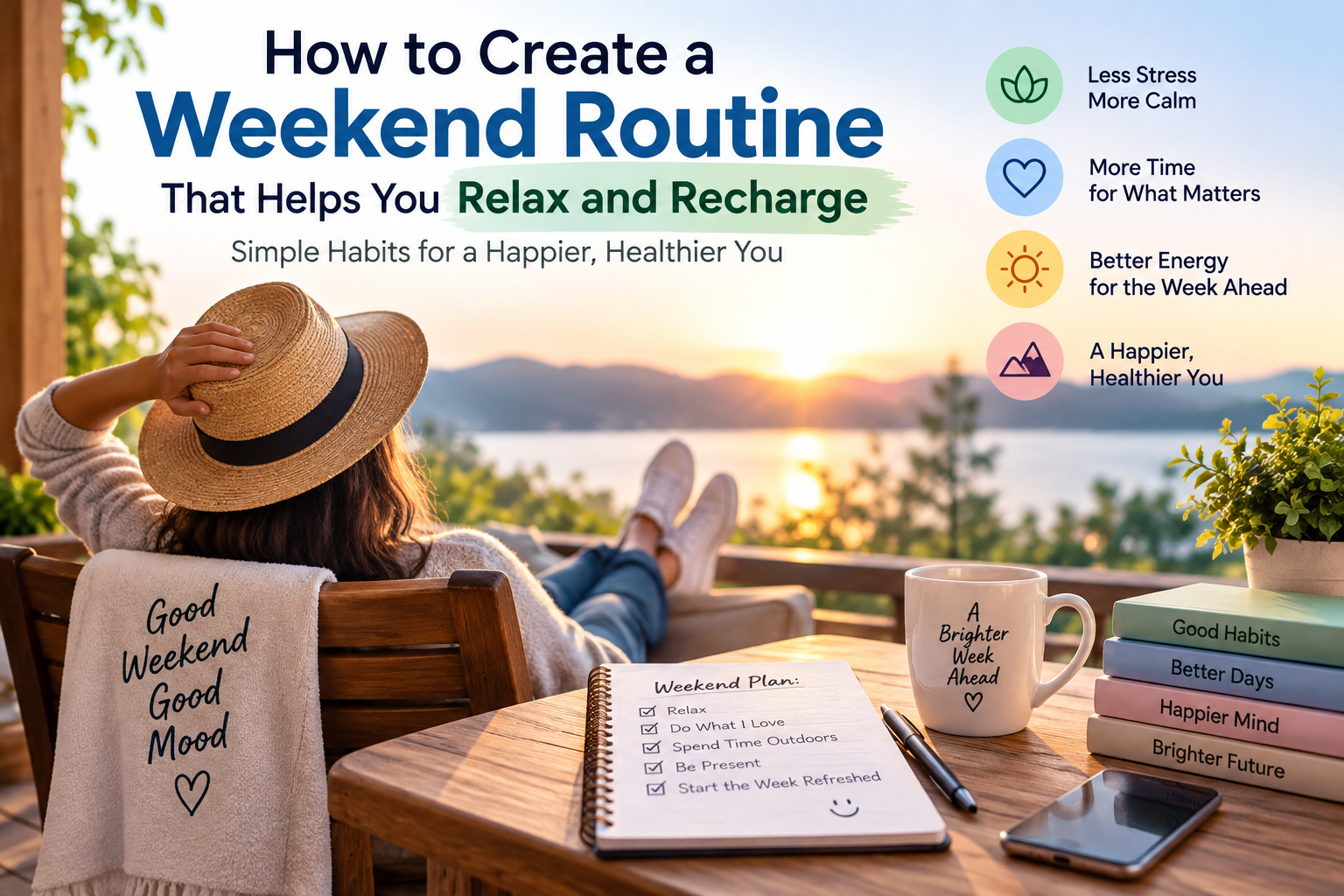
Evenings can easily become rushed. After work, family responsibilities, dinner, messages, and social media, there may be very little time left to slow down.
A simple evening routine can help you finish the day with less stress and prepare yourself for tomorrow. You do not need a complicated schedule or a long list of activities. A few consistent habits can make your evenings calmer and more organized.
Here are 10 simple evening habits you can try in 2026.
1. Finish the Most Important Tasks
Before you completely switch off for the evening, take a few minutes to finish any small task that needs your attention.
This could mean replying to an important message, putting away your work materials, checking tomorrow's schedule, or completing a simple household task.
Try not to create a long evening to-do list. Focus on the few things that will make tomorrow easier.
2. Put Your Phone Away for a While
Phones can easily turn a relaxing evening into hours of scrolling. Notifications, social media, videos, and messages can keep your attention active when you are trying to wind down.
Set aside a period during the evening when you do not need to check your phone constantly.
You can start with just 30 minutes and gradually increase the time if it works for you.
For more practical ideas, see our guide: 10 Easy Ways to Reduce Screen Time.
3. Tidy One Small Area
You do not need to clean your entire home every evening.
Instead, spend 5 to 10 minutes tidying one small area. You could clear your desk, organize the kitchen counter, put clothes away, or prepare your bag for tomorrow.
A small amount of organization can make the next morning feel easier.
4. Prepare for Tomorrow
One of the best evening habits is preparing a few things before going to bed.
- Choose what you will wear.
- Prepare your work or study bag.
- Check tomorrow's important appointments.
- Write down your top priorities.
- Prepare anything you need for the morning.
This simple preparation can reduce the number of decisions you have to make when you wake up.
5. Take a Short Walk
If your schedule allows, consider taking a short, easy walk in the evening.
A walk can give you an opportunity to step away from work, screens, and household tasks. It can also become a useful transition between a busy day and a quieter evening.
Keep the walk comfortable rather than turning it into another demanding task.
6. Choose a Relaxing Activity
Give yourself some time to do something enjoyable that does not require constant notifications or multitasking.
You could:
- Read a few pages of a book.
- Listen to calm music.
- Write in a journal.
- Talk with family.
- Do a hobby.
- Spend some quiet time outdoors.
The goal is not to be productive every minute of the evening. Some downtime is valuable too.
7. Write Down Tomorrow's Priorities
If you often think about tomorrow's tasks while trying to relax, write them down.
Choose three important priorities instead of creating a huge list.
For example:
- Complete an important work task.
- Spend 30 minutes studying.
- Go for a walk.
Having a short plan can help you start the next day with a clearer direction.
8. Keep Dinner and Evening Habits Consistent
Try to maintain reasonably consistent meal and evening times when possible.
A predictable routine can make your day feel more organized. Avoid turning every evening into a completely different schedule.
If you are working on improving your sleep, consistency can also be useful. You can read our related guide: How to Improve Your Sleep Routine.
9. Make Your Bedroom Comfortable
Your bedroom should feel like a place where you can relax.
Before bed, consider reducing unnecessary clutter, keeping the room comfortable, and lowering bright lighting if possible.
Try to keep work-related activities outside the bedroom when practical. This can help create a clearer separation between daytime responsibilities and nighttime relaxation.
10. Create a Simple Bedtime Cue
A consistent final activity can signal that your day is coming to an end.
For example, you could wash your face, brush your teeth, read for a few minutes, prepare your alarm, and then get into bed.
The exact routine is less important than making it simple enough to repeat regularly.
A Simple 30-Minute Evening Routine
| Time | Activity |
|---|---|
| 0–5 minutes | Tidy one small area |
| 5–10 minutes | Prepare clothes and essentials for tomorrow |
| 10–15 minutes | Write your three priorities for tomorrow |
| 15–25 minutes | Read, talk with family, or enjoy a relaxing activity |
| 25–30 minutes | Complete your personal bedtime routine |
How to Make Your Evening Routine Easier
The biggest mistake is trying to change everything at once.
Start with two or three habits that fit naturally into your current lifestyle. Once they become familiar, add another habit if you need it.
Your evening routine does not need to look perfect. The goal is to create a realistic routine that you can follow most days.
What to Avoid in the Evening
A calmer evening is often easier when you reduce unnecessary stimulation.
- Avoid checking work messages continuously.
- Avoid spending hours scrolling without a clear purpose.
- Avoid creating an unrealistic list of evening tasks.
- Avoid turning relaxation into another productivity challenge.
- Avoid making major lifestyle changes all at once.
Simple Evening Routine Checklist
You can use this checklist every evening:
- Finish important small tasks
- Put the phone away for some time
- Tidy one small area
- Prepare for tomorrow
- Take a short walk if suitable
- Enjoy a relaxing activity
- Write three priorities for tomorrow
- Keep your evening schedule consistent
- Make your bedroom comfortable
- Follow a simple bedtime cue
Frequently Asked Questions
How long should an evening routine be?
There is no required length. Even a 20- to 30-minute routine can be useful if it helps you transition from a busy day to a calmer evening.
Should I avoid my phone completely at night?
Not necessarily. The goal is to reduce unnecessary phone use and notifications if they interfere with your relaxation or sleep. Choose a screen-free period that is realistic for you.
What is the most important evening habit?
There is no single habit that works for everyone. Preparing for tomorrow, reducing unnecessary distractions, and following a consistent bedtime routine are useful starting points.
Can an evening routine improve sleep?
A consistent and relaxing evening routine can support healthy sleep habits, especially when it includes a regular wind-down period. However, sleep problems that continue or significantly affect daily life should be discussed with a healthcare professional.
Final Thoughts
A good evening routine does not have to be complicated. Small habits such as preparing for tomorrow, reducing unnecessary screen time, tidying your space, and giving yourself time to relax can make the end of the day feel more manageable.
Start with just two or three habits and make them easy to repeat. Over time, your simple routine can become a natural part of your day.
If you want to build a stronger daily routine, also read: How to Build a Simple Morning Routine That Actually Works.
Disclaimer: This article provides general lifestyle information for educational purposes only. It is not medical advice. If you have ongoing sleep, stress, or other health concerns, consider speaking with a qualified healthcare professional.