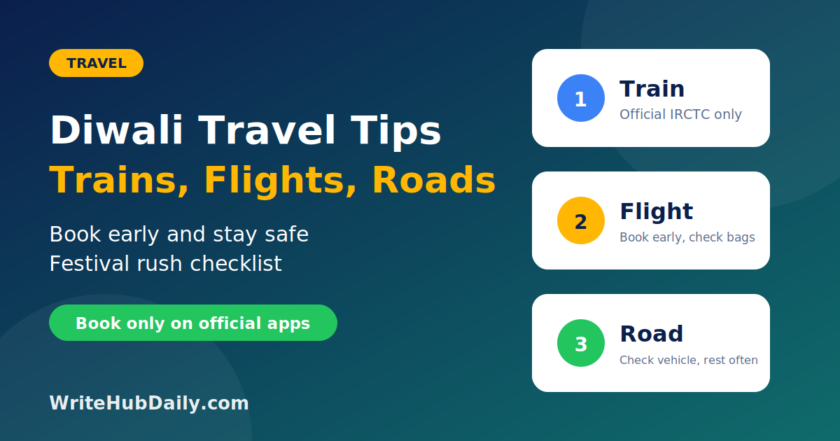

Planning a trip in India during October and November can be a great way to explore new places, enjoy local food and take a break from your daily routine. However, changing weather conditions, holiday crowds and rising travel costs can affect your plans.
With a little preparation, you can make your trip more comfortable, affordable and enjoyable. This guide explains how to choose a destination, manage your budget, pack smartly and stay safe while travelling in India in 2026.
1. Choose the Right Destination
Start by deciding what type of trip you want. India offers beaches, hill stations, historic cities, wildlife destinations and peaceful countryside escapes.
- For nature lovers: Explore suitable hill stations or countryside destinations after checking local weather conditions.
- For history lovers: Consider historic cities, forts, museums and heritage sites.
- For a relaxing break: Look for destinations with comfortable accommodation and easy transport connections.
- For a short holiday: Choose a place that can be reached without spending most of your time travelling.
Before booking, check whether attractions are open and whether local authorities have issued weather or travel advisories.
2. Check the Weather Before You Travel
October and November do not bring the same weather conditions across India. Some areas may experience pleasant days, while other regions can face heavy rain, strong winds or changing road conditions.
On October 26, 2026, weather reports highlighted a developing Bay of Bengal system that could affect parts of eastern and southern India. Travellers heading towards affected areas should check the latest official forecasts before leaving.
Follow the India Meteorological Department (IMD) for weather updates. If an official warning affects your destination, be prepared to postpone your journey or change your route.
3. Prepare a Realistic Travel Budget
A travel budget helps you enjoy your holiday without unnecessary financial pressure. Calculate the main expenses before confirming your bookings.
- Transport to and from your destination
- Hotel or homestay accommodation
- Meals, snacks and drinking water
- Local transport and sightseeing
- Entry tickets and activities
- Emergency expenses and unexpected delays
Keep a small emergency fund separate from your regular spending money. Avoid booking a trip based only on the cheapest advertised price; check cancellation rules, location and additional charges.
4. Book Transport and Accommodation Carefully
Compare train, bus and flight options based on the total cost, journey time and convenience. Booking early may provide more choices, especially around popular holidays and busy weekends.
Choose accommodation with recent reviews, clear cancellation terms and convenient access to the places you plan to visit. Confirm your reservation directly through the booking platform or accommodation provider.
If severe weather is forecast, check your transport operator's latest service updates before travelling to the station, airport or bus terminal.
5. Pack for Changing Conditions
Packing depends on your destination and the forecast. A practical travel bag may include:
- Comfortable clothes and walking shoes
- A light jacket or warm layer
- A compact raincoat or umbrella when appropriate
- Phone charger and power bank
- Personal medicines and basic first-aid supplies
- Identification, booking confirmations and emergency contacts
- Reusable water bottle and small day bag
For hill stations or outdoor activities, check local conditions and carry suitable clothing. Do not rely on seasonal expectations alone.
6. Plan Your Itinerary Without Rushing
Trying to visit too many attractions in a short trip can increase costs and leave you exhausted. Select two or three main activities each day and leave some free time for meals, rest and unexpected changes.
For a two- or three-day holiday, choose attractions that are reasonably close to each other. This reduces unnecessary travel and gives you more time to enjoy the destination.
Keep an alternative indoor activity or flexible sightseeing plan in case of rain.
7. Use Digital Tools to Make Travel Easier
Your smartphone can help you organise bookings, navigate unfamiliar areas and keep important information accessible.
- Download offline maps before travelling to areas with weak connectivity.
- Save hotel details, ticket confirmations and emergency contacts.
- Use official transport apps or websites for schedule updates.
- Share your itinerary with a trusted family member or friend.
- Keep digital copies of important documents securely stored.
Use trusted websites when booking tickets, and avoid sharing passwords, payment details or verification codes with strangers.
8. Follow Basic Travel Safety Rules
Keep your belongings secure, use reputable transport providers and stay aware of your surroundings. When travelling alone, let someone you trust know your plans and expected arrival time.
During heavy rain, avoid flooded roads, overflowing streams and unstable hillside routes. Never attempt to cross moving floodwater. Follow instructions from local authorities and respect closures at tourist attractions.
For official travel and destination information, consult the Ministry of Tourism, Government of India.
9. Save Money Without Reducing Comfort
You can reduce travel expenses without making your holiday difficult. Compare accommodation prices, use authorised public transport where practical and try local food at reputable establishments.
Travelling on less crowded dates may provide more flexibility, but always compare the total price and cancellation conditions. Do not sacrifice safety just to save a small amount of money.
10. Make a Final Checklist Before Leaving
Use this checklist on the day before your trip:
- Check the latest weather forecast and official advisories.
- Confirm transport tickets and accommodation.
- Check opening hours for planned attractions.
- Charge your phone and power bank.
- Carry identification, medicines and emergency contacts.
- Keep some money available for unexpected expenses.
- Tell a trusted person about your itinerary.
Conclusion
A memorable trip does not have to be expensive or complicated. Choosing the right destination, checking weather conditions, setting a realistic budget and keeping your itinerary flexible can make travelling in India more enjoyable in October and November 2026.
Before departure, always verify the latest local conditions and transport updates. A little preparation can help you avoid unnecessary costs and focus on enjoying your holiday.
Have a useful travel tip or a favourite destination in India? Share your experience in the comments to help other travellers plan their next trip.