
How to Plan a 3-Day Trip on a Budget: Step-by-Step Guide for 2026
A short trip can be a great way to take a break without planning a long holiday. But even a three-day trip can become expensive if transport, accommodation, meals, and activities are booked without a clear budget.
The key is to decide how much you can spend first and then build the trip around that amount.
This guide explains how to plan a 3-day trip on a budget without making the experience feel unnecessarily restrictive.
Step 1: Decide Your Total Budget
Before choosing a hotel or activity, decide the maximum amount you are comfortable spending.
Divide your budget into categories:
- Transport
- Accommodation
- Food
- Local transportation
- Activities
- Emergency or unexpected expenses
For example, if your total budget is ₹15,000, do not spend ₹12,000 on transport and accommodation before planning meals and local travel.
Step 2: Choose a Destination That Fits the Budget
The cheapest destination is not always the nearest destination, but travel cost is often one of the largest expenses.
Compare destinations based on:
- Travel time
- Transport cost
- Hotel prices
- Local transportation
- Food prices
- Available free activities
Step 3: Compare Transport Options
Compare train, bus, flight, car, and shared-transport costs where appropriate.
Do not compare ticket prices alone. Also consider:
- Baggage fees
- Airport transportation
- Tolls
- Fuel
- Parking
- Travel time
A cheaper ticket can become more expensive after additional costs are included.
Step 4: Pick Accommodation Based on Location
A cheaper hotel far from the places you want to visit may increase local transportation costs.
Before booking accommodation, check:
- Distance from major attractions
- Public transport nearby
- Guest reviews
- Cancellation policy
- Taxes and additional fees
- Breakfast or kitchen access
Step 5: Build a Simple Three-Day Itinerary
Avoid trying to visit every attraction in one weekend.
Day 1
Arrival, check-in, explore one nearby area, and have a relaxed evening.
Day 2
Use your full day for your main attractions or activities.
Day 3
Choose one shorter activity before returning home.
This structure can reduce unnecessary travel between attractions.
Step 6: Group Nearby Attractions Together
Before your trip, mark the places you want to visit on a map.
If several attractions are close together, visit them on the same day.
This can save both transportation cost and time.
Step 7: Look for Free and Low-Cost Activities
Not every travel experience requires an expensive ticket.
Depending on your destination, affordable activities may include:
- Public parks
- Walking areas
- Beaches
- Markets
- Historic neighborhoods
- Free viewpoints
- Local festivals
Check opening hours and any entry restrictions before visiting.
Step 8: Set a Daily Food Budget
Food spending can increase quickly when every meal is spontaneous.
Set a rough amount for breakfast, lunch, dinner, drinks, and snacks.
You can also:
- Choose accommodation with breakfast
- Carry water where appropriate
- Buy simple snacks in advance
- Try local places away from expensive tourist areas
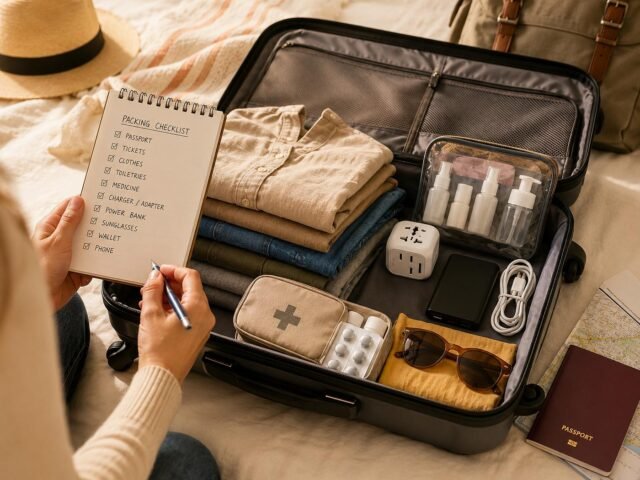
Step 9: Pack Light
For a three-day trip, you usually do not need a large amount of luggage.
Packing light can make transportation easier and may help you avoid baggage charges on some routes.
For a useful packing checklist, read: 15 Things to Pack for a Weekend Trip in 2026.
Step 10: Keep an Emergency Buffer
Do not plan to spend every rupee of your budget.
Keep some money available for unexpected costs such as:
- Transport changes
- Medical needs
- Lost items
- Extra meals
- Unexpected fees
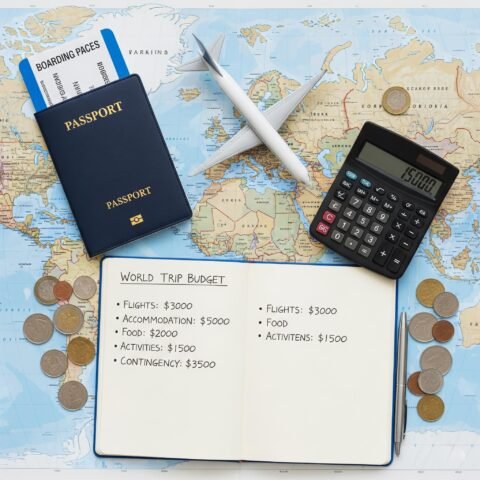
Example 3-Day Trip Budget
Here is a simple example for one traveler. Your actual costs will depend on your destination and travel style.
| Expense | Example Budget |
|---|---|
| Transport | ₹4,000 |
| Accommodation | ₹4,500 |
| Food | ₹2,500 |
| Local Transport | ₹1,000 |
| Activities | ₹1,500 |
| Emergency Buffer | ₹1,500 |
| Total | ₹15,000 |
This is only an example. Adjust each category according to your destination, prices, and personal needs.
Simple 3-Day Trip Planning Checklist
- Set your maximum budget.
- Choose the destination.
- Compare transportation.
- Book suitable accommodation.
- Create a simple itinerary.
- Check attraction prices and opening times.
- Set a daily food budget.
- Pack only what you need.
- Save important booking details offline.
- Keep some money for unexpected expenses.
Common Budget Travel Mistakes
- Booking the cheapest hotel without checking its location
- Ignoring baggage and transport fees
- Planning too many paid attractions
- Not checking cancellation policies
- Spending the entire budget before the trip begins
- Overpacking for a short trip
Frequently Asked Questions
How much money do I need for a three-day trip?
There is no fixed amount. The cost depends on your destination, transportation, accommodation, food, and activities. Create your budget before booking.
Is a three-day trip worth it?
Yes, especially when the destination does not require excessive travel time. A short trip can provide a useful break without requiring a long holiday.
How can I reduce hotel costs?
Compare different dates and areas, review the total price including fees, and consider whether a slightly more expensive central location could reduce local transportation costs.
Should I book everything in advance?
Important transport and accommodation are often worth arranging ahead of time, while some activities can remain flexible depending on your destination and travel plans.
Final Thoughts
Learning how to plan a 3-day trip on a budget starts with setting a realistic spending limit and choosing a destination that fits it.
Compare total travel costs, stay in a practical location, group nearby attractions together, plan food spending, pack light, and keep some money for unexpected expenses.
For more planning ideas, read: 10 Smart Travel Planning Tips to Save Time and Money in 2026.
For more practical travel and everyday guides, visit WriteHubDaily.