
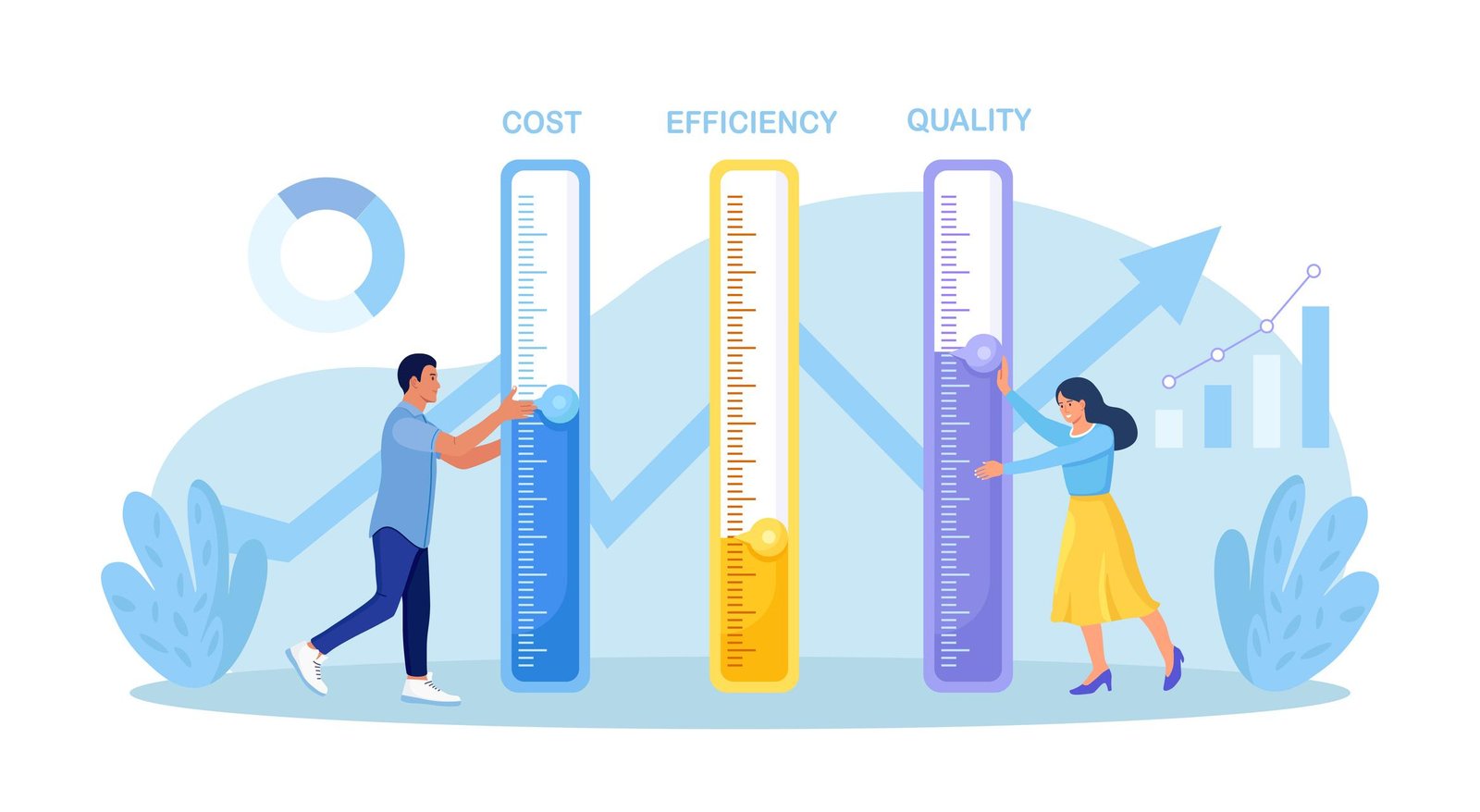
7 Smart Ways to Reduce Business Costs Without Cutting Quality
Managing business expenses is an important part of building a sustainable company. Rising operating costs can reduce profits, but cutting costs too aggressively can also affect employees, customers, and the quality of products or services.
The goal is not simply to spend less. The goal is to spend money more efficiently and eliminate unnecessary expenses while protecting the areas that create value.
Here are seven practical ways businesses can reduce costs without sacrificing quality.
Table of Contents
- Review Your Business Expenses
- Reduce Unnecessary Software Costs
- Improve Energy Efficiency
- Automate Repetitive Tasks
- Review Supplier Agreements
- Encourage Remote or Hybrid Work
- Focus on Customer Retention
1. Review Your Business Expenses
The first step to reducing costs is understanding where your money is going.
Review your expenses regularly and separate essential costs from expenses that could be reduced, replaced, or eliminated.
Look at areas such as:
- Software subscriptions
- Office expenses
- Marketing costs
- Travel expenses
- Utilities
- Professional services
A regular expense review can reveal costs that are easy to overlook.
2. Reduce Unnecessary Software Costs
Businesses often subscribe to multiple software tools that perform similar functions.
Review your current software subscriptions and determine which tools your team actually uses.
If two applications provide similar features, consider whether one solution can replace both.
However, avoid removing tools that are essential to security, productivity, or customer service simply because they have a monthly cost.
3. Improve Energy Efficiency
Energy costs can become significant for businesses operating offices, stores, warehouses, or other physical locations.
Simple improvements can help reduce unnecessary energy consumption.
- Use energy-efficient lighting
- Turn off equipment when it is not needed
- Maintain heating and cooling systems
- Use smart energy controls where appropriate
Small improvements can add up over time.
4. Automate Repetitive Tasks
Employees spend valuable time on repetitive administrative tasks such as data entry, scheduling, reporting, and routine communications.
Automation can reduce manual work and allow employees to focus on higher-value activities.
Before automating a process, document how it currently works and identify where automation can genuinely improve efficiency.
5. Review Supplier Agreements
Supplier and service agreements should be reviewed periodically.
Compare prices, contract terms, minimum orders, delivery costs, and service levels. You may discover opportunities to negotiate better terms or find alternatives.
Don’t automatically choose the cheapest supplier. Reliability and quality should remain important factors in the decision.
6. Encourage Remote or Hybrid Work
For businesses where remote work is practical, flexible working arrangements may reduce some office-related expenses.
Potential savings can include office space, utilities, commuting support, and other workplace costs.
However, remote work should be introduced based on the needs of employees, customers, and the business.
7. Focus on Customer Retention
Reducing costs should not mean ignoring existing customers.
Maintaining strong customer relationships can support long-term business stability and reduce the need to constantly replace lost customers.
Focus on reliable service, clear communication, product quality, and responding to customer feedback.
Costs You Should Not Cut Too Quickly
Some expenses may appear expensive but provide significant long-term value.
- Cybersecurity
- Employee training
- Product quality
- Customer support
- Essential technology
- Legal and compliance requirements
Before reducing an expense, consider how the decision could affect customers, employees, security, and future growth.
How to Create a Cost-Reduction Plan
A practical cost-reduction plan can start with a simple process:
- List your major business expenses.
- Identify unnecessary or inefficient costs.
- Estimate potential savings.
- Consider the effect of each change on quality.
- Implement changes gradually.
- Measure the results.
This approach allows businesses to reduce expenses without making decisions based only on short-term savings.
Frequently Asked Questions
What is the best way to reduce business costs?
Start by reviewing your expenses and identifying unnecessary or inefficient spending. Focus on improving efficiency rather than simply cutting important services.
Should small businesses reduce employee costs?
Employee costs should be considered carefully. Reducing staff or benefits can affect productivity, morale, and customer service. Look for efficiency improvements before making major workforce reductions.
Can technology help reduce business costs?
Technology can reduce repetitive work, improve communication, and make some processes more efficient. Businesses should evaluate the actual return and usefulness of each technology investment.
Related Articles
-
10 AI Trends That Will Transform Businesses in 2026
-
How Small Businesses Can Use AI to Save Time and Reduce Costs in 2026
-
8 Time Management Tips to Increase Productivity in 2026
Final Thoughts
Reducing business costs does not have to mean reducing quality. The best approach is to identify unnecessary spending, improve inefficient processes, and invest carefully in areas that create long-term value.
Start by reviewing your biggest expenses and make one improvement at a time. Small savings across several areas can make a meaningful difference to a business over time.